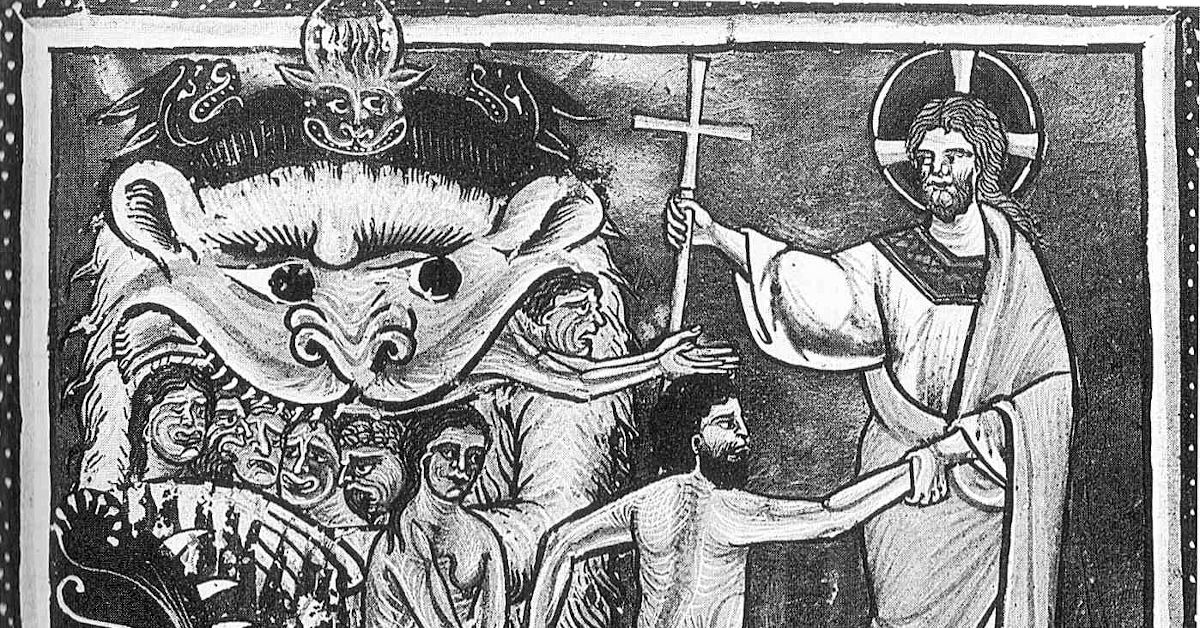
Why have certain beliefs and ideologies (for example, the doctrine of hell) persisted throughout history, where others have failed? In our last post, we talked about how the location of a particular society can have an uncanny effect on what that society holds as ‘truth’. The relative isolation and anti-Roman sentiment of third-century Northwest Africa, for instance, made it a natural source of harsh, ‘us versus them’ conceptions of hell and the afterlife. The fact that the region’s key writers produced their works in Latin was a quirk of fate that made them more appealing and enduring within the influential Western half of the Roman Empire (including Rome itself).
The Northwest region of Africa was not the only big player in early Christian ideology, however. Alexandria, once a pet favourite of Alexander the Great, had persisted under Roman rule as a centre of philosophical and intellectual sophistication, culture, and learning (not to mention wealth and trade!). This is perhaps symbolised most strongly by the famous Library of Alexandria. It is unsurprising, therefore, that this culturally prominent city would produce several important Christian scholars. While Northwest African writers like Tertullian were railing against philosophers and painting grim pictures of hell’s torments, though, key Alexandrian Christians were coming to very different conclusions about the afterlife.