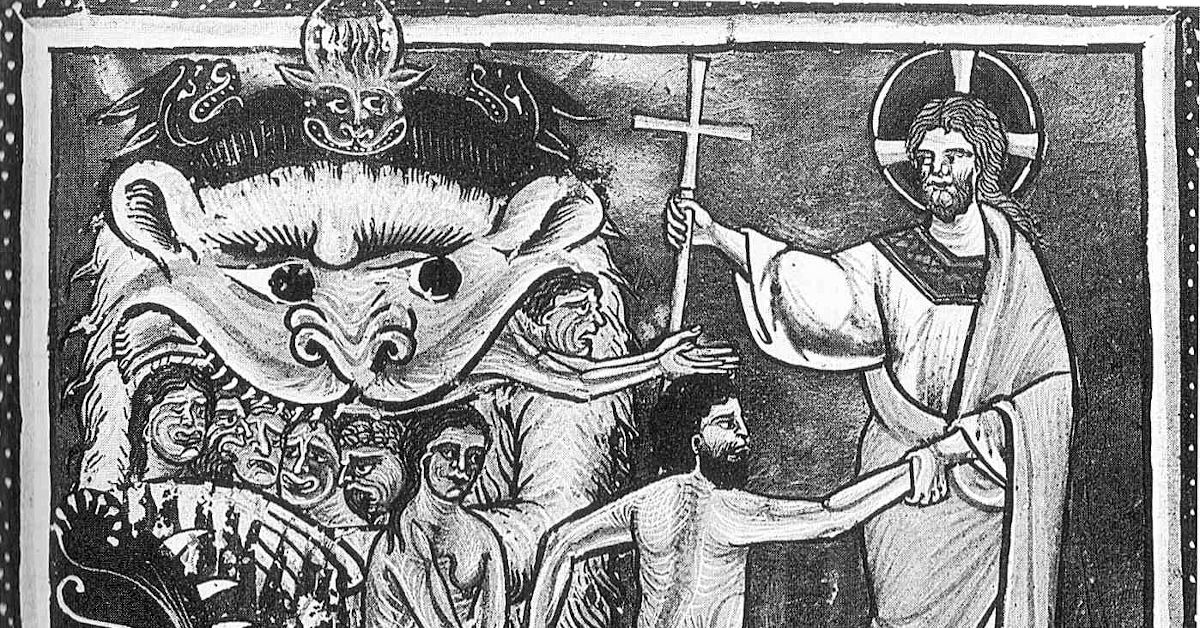
Tampering with the Bible is supposed to be a huge taboo amongst Christians. The near-final words of the New Testament (in Revelation 22:18-19) present a grim warning against meddling with the Scriptures. And yet, as was seen in a previous post, at least some Bible translators have been guilty doing just that: ever-so-neatly changing the meaning of certain passages if and when they disagree with the translators’ pre-existing dogmas.
 pete
pete
Eriugena vs. Hincmar vs. Gottschalk: Ninth Century Predestination Fiasco
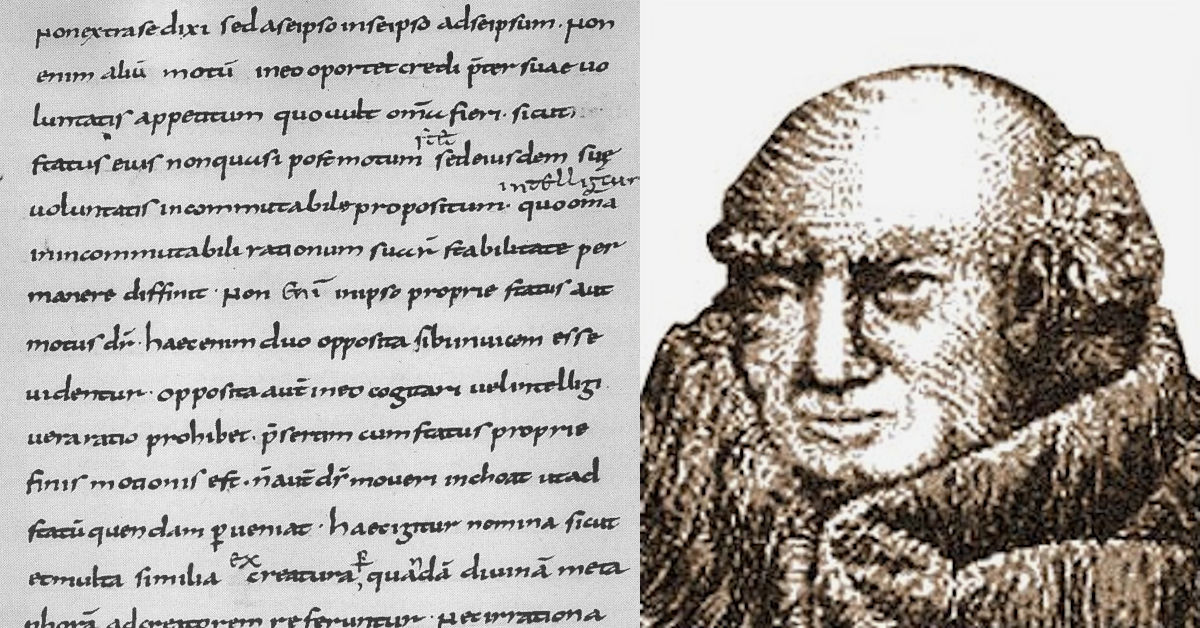
If there’s one thing I’ve learnt from studying Western religious history, it’s this: Christians seem to have an uncanny knack for picking fights and stoking controversies with other Christians. (Perhaps this is true of all religions and ideologies; the scope of my research must, however, remain confined to the Western world). In any case, choose any century at random from the past 2000 years and you’ll inevitably find some sort of juicy Christian stoush to unearth. Last time, I wrote about 17th century England and Isaac Newton’s anti-trinitarianism; today, we’re looking at 9th century Francia (that is, the kingdom of the Franks).
Sir Isaac Newton: Seventeenth Century Religious Nonconformist
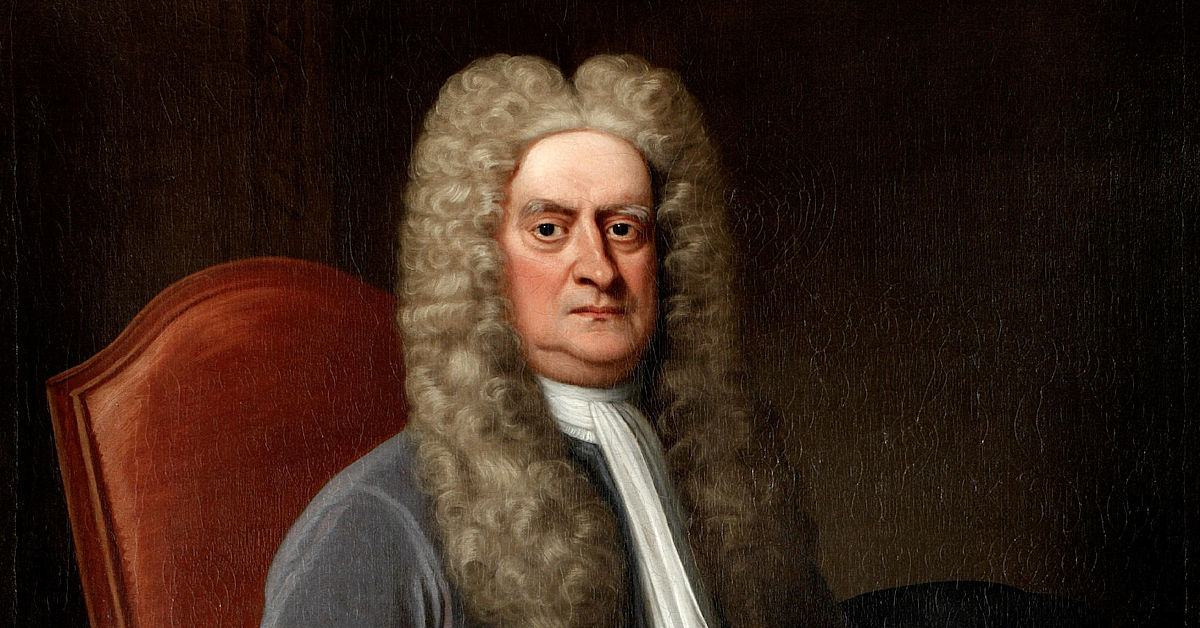
Ask anyone to name five well-known scientists, and Isaac Newton is almost certain to make the list. Born in 1643, Newton’s breakthroughs (most famously, his laws of motion and theory of gravity) put him at the pinnacle of 17th century scientific achievement. What you might not be aware of, though, are Newton’s religious beliefs and the secrecy he chose to maintain surrounding them.
“Today you will be with me in Paradise”: Embellishing the Crucified Bandit
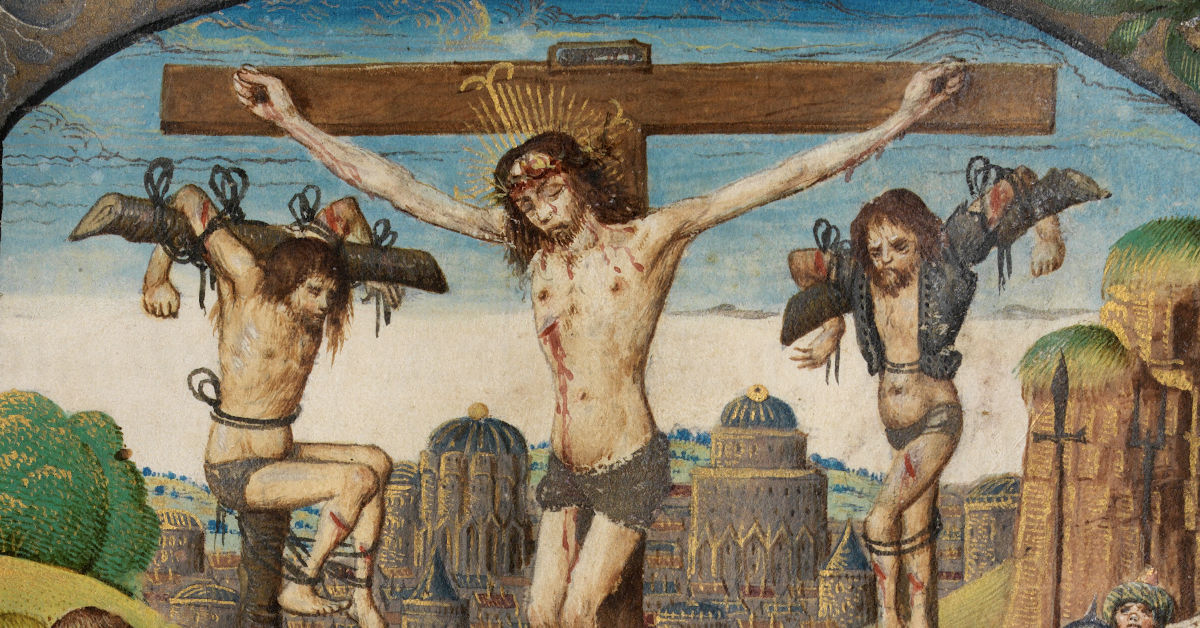
You know the scene well. The religious upstart, Jesus of Nazareth, has been crushed under the wheels of injustice, and now hangs upon a Roman cross. He is flanked by two criminals, condemned to an agonising and prolonged death. But then, a ray of hope — one of the miscreants appeals to the mercies of Jesus, and is met with the famous rejoinder: “Truly I tell you, today you will be with me in Paradise.”
Legion and the Abyss: a Curious Tale
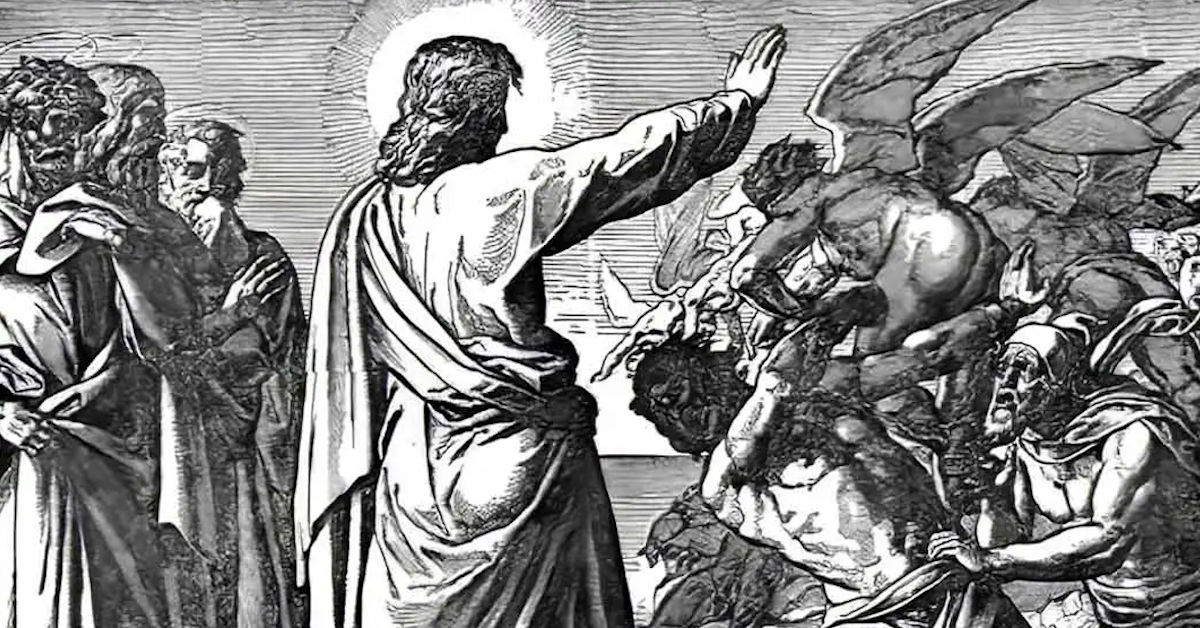
Picture this: you’re walking towards a notorious burial ground on the outskirts of town, drawing on every ounce of fortitude in your possession. You’ve heard stories of a dangerous, unruly man living among the tombs — a man unable to be chained down, or so the rumours say. From a distance, you hear a grotesque wail; then, a bedraggled figure approaches you, naked and bloodied. It’s him.
What is Decoding Gehenna?

A few years ago, a strange thing happened to me: I decided to write a book about hell. The name I landed on was Decoding Gehenna: Hell and the Afterlife in the West.
